The Stream Delay Dilemma: How Live Esports Betting Gets Tricked


Live betting is one of the most exciting innovations in esports wagering. The ability to place bets while a match is unfolding — predicting round outcomes, map winners, or clutch plays — gives Pakistani bettors a feeling of immersion that traditional sports rarely match. But that same immediacy also hides a critical flaw: stream delay.
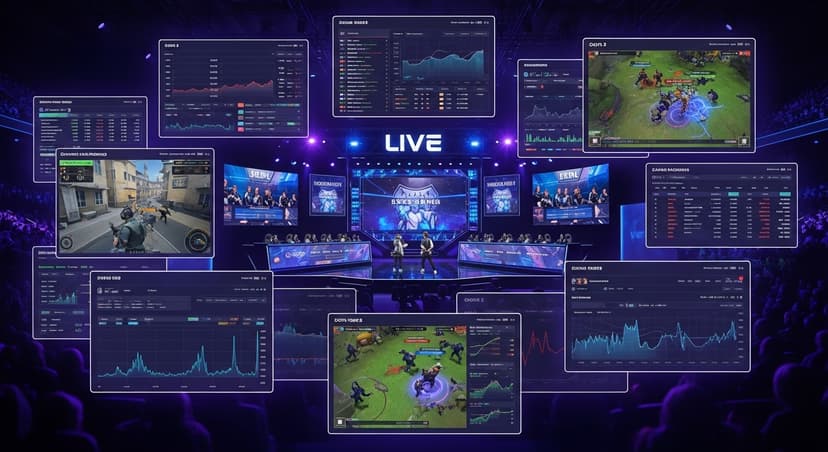
Every second counts in esports. Yet between a live in-game event and what viewers see on streaming platforms, there’s often a delay of anywhere from 10 to 90 seconds. That tiny gap can be exploited — by bettors with faster data feeds, by insiders with access to private streams, and by automated bots reacting before the public even sees what happened. This is the stream delay dilemma: the invisible lag that quietly reshapes the fairness of live esports betting for players in Pakistan.
How Stream Delay Impacts Esports Betting for Pakistan Players
Streaming platforms like Twitch, YouTube, and Trovo don’t transmit games in true real time. To maintain stability, prevent buffering, and handle massive viewer loads, they introduce a delay — a short gap between the actual gameplay and what spectators see. For casual viewers, especially those just enjoying the show, this delay is harmless. But for bettors, particularly those engaged in live wagering on their favorite esports titles, those few seconds can make or break entire strategies and potential winnings.
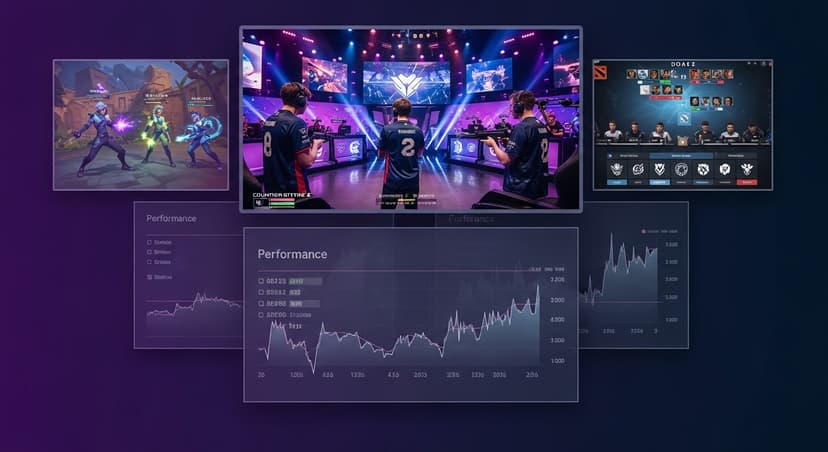
Imagine a high-stakes CS2 match. A bettor watching the public stream sees a team plant the bomb and quickly places a live wager on that team to win the round. But a bettor using a private data feed or tournament observer stream — with no delay — already knows the outcome seconds earlier. In effect, they’re betting with a significant information advantage.
The delay doesn’t just affect timing; it directly impacts betting odds. Betting platforms update live lines dynamically based on real-time game events. If one party sees the event earlier than another due to the stream delay, the odds no longer reflect equal opportunity; they reflect an informational imbalance, potentially disadvantaging unaware players.
Why Live Esports Betting Is Particularly Vulnerable in Pakistan
Esports differs significantly from traditional sports, especially in Pakistan, due to two key factors: digital immediacy and data accessibility. Unlike physical games where events unfold in the real world, every esports match is generated from a constant data stream. That means those who can access that data sooner — such as tournament staff, automated analytics tools, or unscrupulous insiders — gain a direct and unfair advantage, a crucial point for any Pakistani bettor to be aware of.
Even a five-second delay allows exploitation. A bettor or bot that receives instant data can place a wager before public odds react, essentially locking in guaranteed profit. Some advanced betting scripts even monitor live API feeds to detect objective completions (like tower kills or round wins) and automatically place bets milliseconds before sportsbooks adjust prices.
This micro-window, amplified by stream delay, has led to what analysts call latency arbitrage — betting based on time advantages rather than predictive insight. It’s not just unethical; it undermines the concept of fair competition that betting markets depend on.
How Sportsbooks Combat Stream Delay Exploits
Top-tier sportsbooks have adapted to this problem through a combination of data synchronization, AI monitoring, and odds throttling.
Modern betting systems integrate with tournament organizers’ direct data feeds rather than relying solely on public streams. This ensures that the odds engine receives updates as quickly as the game itself. Additionally, AI models now analyze bettor behavior to flag timing anomalies — such as accounts consistently placing live bets milliseconds before odds updates.
Some platforms introduce intentional delay buffers for live esports bets, pausing acceptance for a few seconds after each major in-game event. While this slightly reduces speed, it equalizes access across users.
Ultimately, transparency is key. Esports betting operators that clearly disclose stream latency, synchronization practices, and live data sources are better positioned to maintain player trust — and regulatory compliance.
How Bettors Can Protect Themselves
While sportsbooks and organizers work to reduce unfair advantages, bettors can take steps to protect themselves from stream delay pitfalls.
First, recognize that no public stream is truly live. Assume a minimum delay of 15 to 30 seconds for major tournaments. That means relying purely on visuals during live betting is risky. Instead, bettors should use official match trackers, live stat feeds, or reputable sportsbooks that source verified data directly from event partners.
Secondly, avoid chasing “fast” bets on shady or offshore sites that promise near-zero latency. These often rely on unreliable or unregulated data sources, and they may exploit bettors through manipulated odds.
Finally, focus on strategic timing rather than speed. Betting between maps or rounds — when game states reset — minimizes the impact of stream delay and restores a level playing field.
The Future of Fair Live Esports Betting
As esports continues to grow, solving the stream delay dilemma is essential for maintaining integrity. Future solutions may rely on blockchain timestamping, where betting events are cryptographically verified to match actual game data. Others envision full synchronization between game servers, sportsbooks, and audience streams, eliminating latency entirely.
Until then, awareness remains the best defense. Bettors who understand the mechanics of delay, and who choose platforms that handle data responsibly, can still enjoy live betting without falling victim to unseen timing traps.
The gap between what you see and what’s really happening might be small — but in esports betting, even a second can decide whether you’re betting smart or being tricked by the clock.
FAQ
What is stream delay in esports betting?
Stream delay refers to the time difference between the actual live esports match and what you see on streaming platforms like Twitch or YouTube. In live betting, this delay can be exploited by individuals with faster data access, giving them an unfair advantage when placing bets.
What is the typical stream delay duration?
Stream delays can vary from 10 to 90 seconds, depending on the platform and the broadcaster's setup. Official esports tournaments often implement intentional delays to prevent match manipulation or insider betting, ensuring fair play for everyone.
How can bettors in Pakistan minimize the impact of stream delay?
While you can't completely eliminate stream delay, choosing sportsbooks with reliable data feeds and placing bets between rounds or maps can help. Avoid making betting decisions solely based on what you see on public streams. Remember to gamble responsibly.
Do online sportsbooks detect exploitation of stream delays?
Yes, they do. Modern sportsbooks utilize advanced AI and real-time analytics to identify unusual betting patterns, suspiciously accurate bets, and arbitrage opportunities arising from latency differences. They actively monitor for and address such activities.